
Most of Kosovo experiences a continental climate with mediterranean and alpine influences. The climate is strongly influenced by its proximity to the Adriatic Sea in the west, the Aegean Sea in the south but also the European continental landmass in the north.
The coldest areas of Kosovo are the mountains in the west and southeast, where an alpine climate is found. The warmest areas are mostly in the extreme southern areas close to the border with Albania, characterised by the Mediterranean climate. Mean monthly temperature ranges between 0 °C (32 °F) (in January) and 22 °C (72 °F) (in July). Mean annual precipitation ranges from 600 to 1,300 mm (24 to 51 in) per year, and is well distributed year-round.
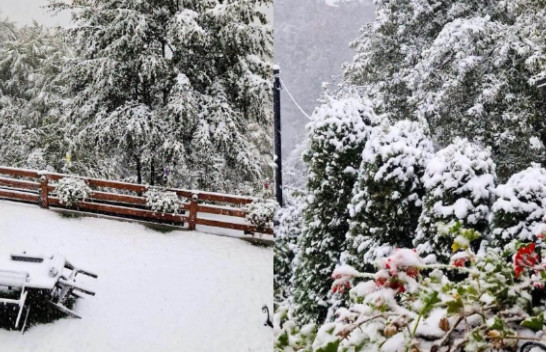
To the northeast, the Kosovo Plain and Ibar Valley are drier with total precipitation of about 600 millimetres (24 inches) per year and more influenced by continental air masses, with colder winters and very hot summers. In the southwest, climatic area of Metohija receives more mediterranean influences with warmer summers, somewhat higher precipitation (700 mm (28 in)) and heavy snowfalls in the winter. The mountainous areas of Prokletije in the west, Šar Mountains on the south and Kopaonik in the north experiences alpine climate, with high precipitation (900 to 1,300 mm (35 to 51 in) per year, short and fresh summers, and cold winters. The average annual temperature of Kosovo is 9.5 °C (49.1 °F). The warmest month is July with average temperature of 19.2 °C (66.6 °F), and the coldest is January with −1.3 °C (29.7 °F). Except Prizren and Istog, all other meteorological stations in January recorded average temperatures under 0 °C (32 °F).

Nesër është një ditë e mirë...
Nesër është një ditë e mirë...
Motilokal.com është media më e vizituar në botë në gjuhën shqipe për parashikimin e motit me miliona vizita në muaj.
Përveç këtij shërbimi, lexuesi ynë aty mund të informohet për lajmet lidhur me ndryshimet klimatike, ambientin, të rejat shkencore, shëndetësinë, reportazhet për bukuritë e botës shqiptare dhe asaj së egër. Saktësia në parashikimin e motit dhe temat e larmishme nga fushat e lartpërmendura e kanë bërë motilokal.com si referencën kryesore të motit për të gjithë shqiptarët kudo që ata ndodhen.
Motilokal është anëtar i Këshillit të Mediave të Shkruara të Kosovës (KMShK).